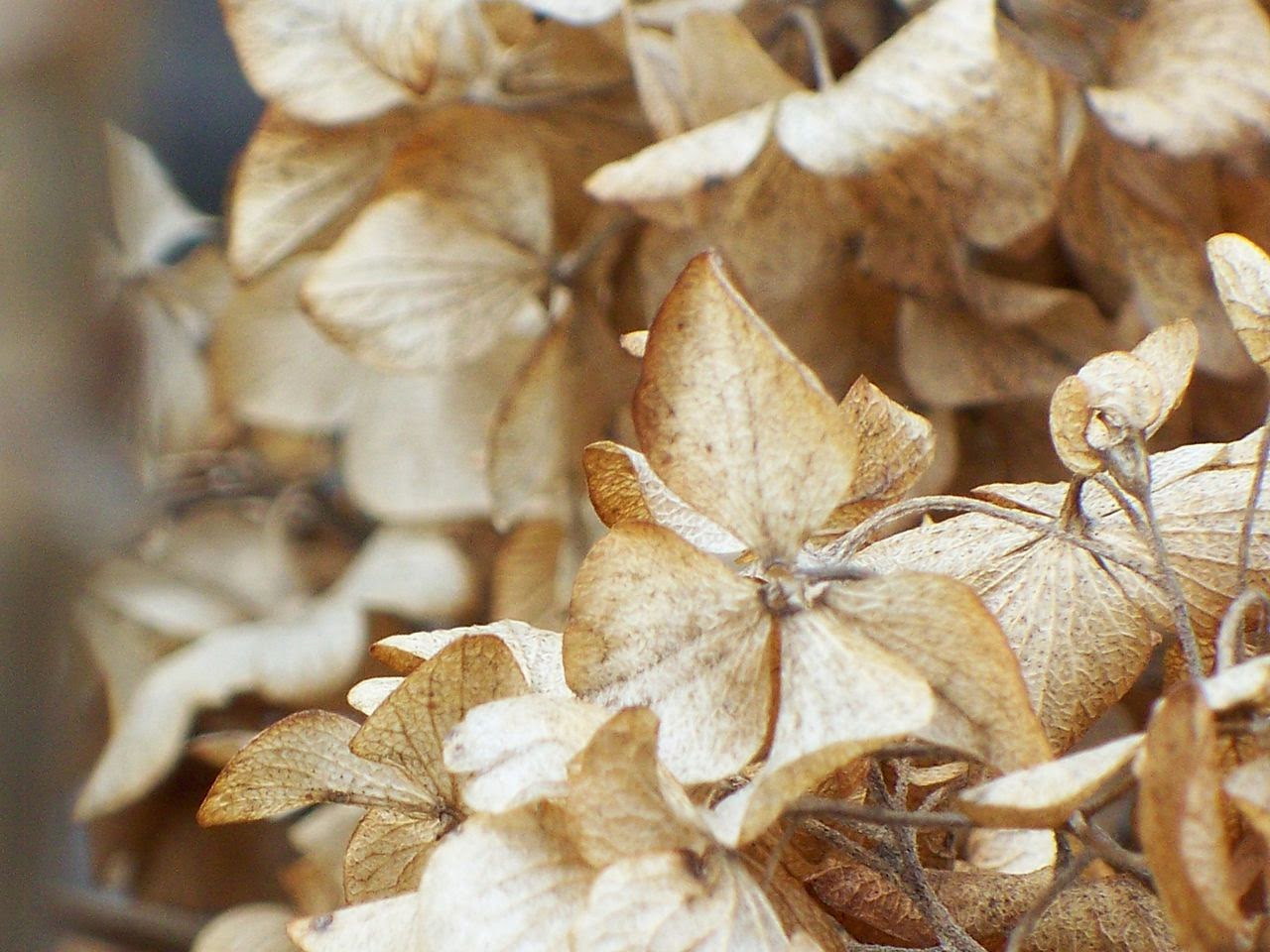
Lovely azaleas

Lovely azaleas
Pixabay Public Domain

Sep 12, 2014

STORIES AND SCENES FROM THE ATACAMA DESERT


The vast, arid and forbidding Atacama Desert is now within Chilean territory, but it once belonged to Bolivia.

The War of the Pacific or Saltpeter War (1879 - 1883) was fought over this inhospitable terrain.


The Valley of Atacama

A desolate panorama with the ever present Andes Mountains iin the background.

Click to enlarge

Source: Smcmurtrey, CC BY SA 3.0 Wikimedia Commons


Some Scenes and Stories from the Desert.


The period before the War witnessed a great surge of mining activity and many companies invested foreign capital in these installations.

That teaming activity is all past history now, and the installations stand as mute monuments to a period where great fortunes were made and subsequently lost.

It was also a period of invention, as the industrial era rose to a climax with the use of the power of steam.

Railroads were built to carry the “white gold” down to the port of Antofagasta, a real feat of engineering due to the difficult terrain.

All this activity implied a deep need for potable water, both for humans and for the machinery. The railroad was a great consumer of water for the production of steam.

An interesting solution for obtaining the necessary potable water was the use of the energy of the sun, a natural resource that abounds in these extremely dry lands.

In 1872, solar energy combined with the existence of subterranean aquifers that could deliver non-potable, very briny water, sparked the inventive genius of the engineer Charles Wilson, who built the first industrial solar still to become known worldwide.

This still was built to provide potable water for the Lastenia Salinas Saltpeter Mining Company, the company that later built the great Chacabuco saltpeter works.

These desolate areas subsequently witnessed the harshness of the Saltpeter War, 1879 - 1883.

When the war came to an end, all the territory of the Atacama Desert became Chilean territory.

The solar still continued to operate until 1907, when pipes were laid to bring the water down from the Andes Mountains. 

The new water system flowed all the way down to the port of Antofagasta, and provided fresh water for all the intermediate installations and small settlements.

The photos show the extreme ruggedness of the area and some of the remains of the great saltpeter mining installations, some of which have now been declared a World Heritage by Unesco.


Photo Gallery


Photo 1.  Salitrera Humboldt (Worl Heritage, Unesco)

Click to enlarge

Source: Geryrq, CC BY SA 3.0 Wikimedia Commons


Photo2. Mining Machinery.

Click to elarge


Source: Carlos Varela, CC BY 2.0. Flickr


Photo 3. Salitrera Santa Laura

Click to enlarge


Source: Diego Dulit, CC BY SA 2.0 Wikimedia Commons


I hope you enjoyed this post! Thank you for reading it.


You can leave a comment, just click on the word “Comments” at the end.


Spanish Version.


(This Blog is bilingual and can be used for the study of languages)


Cuentos y escenas del Desierto de Atacama.


El vasto, árido y tétrico Desierto de Atacama se encuentra en la actualidad en territorio chileno, pero en in inicio perteneció a Bolivia.

Algunas campañas de La Guerra del Pacífico o Guerra del Salitre (1879 - 1883) se desarrollaron en este inhóspito territorio. (Ver mi post anterior, se señala el link).

El Valle de Atacama.


Un panorama desolador con la permanente presencia de la Cordillera de Los Andes como telón de fondo. (Ver foto)

Fuente: Smcmurtrey, CC BY SA 3.0 Wikimedia Commons


Algunas escenas e historias provenientes del Desierto.


El período anterior a la Guerra fue testigo de un gran surgimiento de la actividad minera y muchas compañías invirtieron capitales extranjeros en estas instalaciones.

En la actualidad, toda esta bullente actividad es sólo parte de la historia, y las instalaciones abandonadas permanecen como mudos monumentos de un período en que se crearon grandes fortunas que posteriormente se desvanecieron.

Fue también un período de grandes inventos, a medida que la era industrial avanzó hacia su climax con el uso de la energía del vapor.

Se construyeron ferrocarriles con el fin de transportar el “oro blanco” hasta el puerto de Antofagasta, una verdadera hazaña de la ingeniería dado las dificultades del terreno.

Toda esta bullente actividad precisaba una profunda necesidad de contar con agua potable, tato para los habitantes como para la maquinaria. El ferrocarril era un gran consumidor de agua fresca para la producción de vapor.

Una solución interesante para la obtención de agua fue el uso de la energía solar, bien natural que evidentemente abunda en esos parajes tan áridos.

En 1872, la abundancia de la energía solar combinada con la existencia de napas subterráneas que proporcionaban agua salobre no potable, prendió la chispa del ingenio en el ingeniero Charles Wilson, quien construyó el primer destilador solar industrial de agua potable que se conoce en el mundo.

Este destilador se construyó para la Compañía Salitrera Lastenia Salinas, la compañía que posteriormente construyó la gran Salitrera Chacabuco.

Con posterioridad, estos desolados parajes fueron testigos de la cruenta Guerra del Pacífico.

Al terminar la Guerra, todo el territorio del Desierto de Atacama quedó en poder de Chile y lo sigue siendo en la actualidad.

El destilador solar continuó operando hasta 1907, fecha en que se instalaron cañerías que traían agua fresca desde la Cordillera de los Andes hasta el puerto de Antofagasta. 

Este nuevo sistema de agua surtió también a todos las instalaciones y poblados cercanos.

Las fotos muestran el desolado panorama y también los restos de las grandiosas instalaciones salitreras, algunas de las cuales han sido designados como 
Patrimonio de la Humanidad por Unesco.


Galería de fotos.

Foto 1. Salitrera Humboldt.

Foto 2. Maquinaria Minera,

Foto 3. Salitrera Santa Laura.


Gracias por leer este post, espero les haya gustado.

Pueden registrar sus impresiones haciendo click en la palabra “Comments”


© jveronr 2014 (Joan Veronica Robertson)


Sep 7, 2014

THE WAR OF THE PACIFIC, ALSO KNOWN AS THE SALTPETER WAR


A 19th century war in the Southern Cone of South America, over issues that are still causing tensions and distress.

WELCOME TO THIS POST!


Here’s an introductory photo, a scene from the extreme north of Chile.

Description: Parinacota volcano in the Lauca National Park.

Llamas and alpacas in the foreground.


Click to enlarge


Attribution: mtchm from – Flickr,  CC BY SA 2.0. Wikimedia Commons


GENERAL BACKGROUND.

Border limits and territories have always been complicated issues for Spanish America as a whole.


I would say the various rulers of the Spanish Empire do not seem to have really grasped the enormous size and geographic complexity of the area they had taken possession of and colonized.


In an attempt to set up some organization that could be a solution for the long distances between the various settlements, the Spanish crown set up some Viceroyalties. 


The first of these administrative subdivisions, were the Viceroyalty of New Spain with Mexico City as its capital and the Viceroyalty of Peru, capital Lima.


At a later date, two more Viceroyalties were created:  the Viceroyalty of Granada, capital Bogotá and the Viceroyalty of La Plata, capital Buenos Aires.


When independence from Spain came along in the 19th century, the new countries hammered out their territorial limits from within these four great Viceroyalties, with many confusing results.


It has to be said that boundary issues have plagued Spanish America right up to the present date.


THE WAR OF THE PACIFIC OR SALTPETER WAR.


I would say this was the most significant of all the clashes over boundaries and territorial rights. What started as a Bolivian – Chilean border dispute flourished into a vicious war that spanned from 1879 to 1883 in which Chile fought the combined forces of Bolivia and Peru.


Chile was the victor after a hard and desperate struggle and in the process annexed territories that were originally owned by Bolivia and by Peru.


The following maps provide very clear information.


MAP OF THE ORIGINAL BOUNDARIES.

Here we have the original boundaries before the War of the Pacific.


Click to enlarge


Attribution: “Map of the War of the Pacific.en” by Createaccount – Own work, CC BY SA 3.0. Wikimedia Commons


MAP OF THE ORGINAL BOUNDARIES (Map 2)

This map shows the original boundaries for Chile, Peru and Bolivia before the war, but also shows the dispute between Chile and Argentina ta that time.


As can be seen, Chilean territory extended right to the Atlantic Ocean, covering what is known asd the eastern Patagonia.


When Argentina threatened to join the Bolivia-Peru coalition during the War of the Pacific, Chile was forced to give up the Patagonia. It is now Argentinian territory.


Click to enlarge


Attribution for this map: “South America 1879” by MarshaIN20 – Own work – CC BY 3.0. Wikimedia Commons.


THE BOUNDARY DISPUTES ARE STILL NOT QUITE SETTLED


Both Peru and Bolivia have made every effort to reclaim their lost territories, in spite of having signed legally binding treaties that officially ceded these territories to Chile.


Just recently, Peru applied to the International Court of Law at The Hague, in an effort to claim a section of the sea waters that are involved in the definition of the boundary limits. The dispute is centered on the fishing rights to those areas of the ocean.


The Court at The Hague divided the claim in an effort to satisfy both Peru and Chile and this has caused even more issues.


The latest activity over borders in the north of Chile has been on the part of Bolivia, whose President, Evo Morales, usually bases his political campaigns and continued popularity on his efforts to obtain a section of coast line on the Pacific Ocean. At present, Bolivia is landlocked.  This debate has also gone to The Hague, where the lengthy processes is under consideration.


The issues with Argentina rear their ugly head whenever there is a political crisis in that country. It is a popular move, as this kind of issue generally unites all opinions over what constitutes a national debate e and the internal political bickering slows down.


The most recent really dangerous issue exploded at the end of 1978, when Argentina planned an invasion of Chilean territory in a dispute centered on the three small islands, Picton, Lennox and Nueva, which control  the entrance to the Beagle Channel in the extreme south.  


The invasion, the so called Operation Soberania, was aborted a few hours before it was due to launch. Argentina then proceeded into the fiasco of the Falklands War (Guerra de Las Malvinas)  and the entire situation over the Beagle Channel has faded over the horizon due a technicality: the huge, present day container ships cannot navigate through the Beagle, which is too narrow! 

So who wants the little islands anyway? Well, Chile has kept them and provides for the settlers who live there. 


The following map shows present day Chile, with her present day borders. Long may it last and may we all live in peace!

Click to enlarge


Attribution: B1mbo CC BY SA 3.0. Wikimedia Commons


FINAL WORDS. 


A Chilean musical group called Los Cuatro Cuartos wrote and recorded some really great songs that commemorate this Saltpeter war. I hope to include some in my next post on this topic. 

I still have to translate the lyrics into English for bilingual blog style, but I suggest you stay tuned for future posts.


I hope you enjoyed this post! It was fun to write.


DRAMATIC SCENES FROM THE ATACAMA DESERT.

Miscanti Lagoon near San Pedro de Atacama.

Shows the ever changing hues of the northern regions.


Click to enlarge


Attribution: Luca Galuzzi, CC BY SA 2.5 Wikimedia Commons


Icy Penitents on Chajnator (Atacama desert)


Click to enlarge


Attribution. ESO/B. Tafreshi. CC BY SA 3.0. Wikimedia Commons


(ESO is the European Southern Observatory, located on the Atacama Desert, Chile).


SPANISH VERSION.


(This blog is bilingual).

 UNA PUESTA EN ESCENA GENERAL.


Los conflictos limítrofes siempre se han constituido en situaciones muy complejas  en la América Hispana.


La impresión que me queda es que los sucesivos gobernantes de la corona de España nunca captaron realmente la magnitud  y la complejidad geográfica del enorme territorio del que tomaron posesión y posteriormente colonizaron.


En un intento por aportar algún esquema organizativo que pudiera resolver las grandes distancias entre los diversos centros poblados, España creó algunos virreinatos.


Los primero dos virreinatos fueron el de Granada, con capital en Ciudad de México y el de Perú, con capital en la ciudad de Lima.


Más tarde, se crearon los virreinatos de Granada, con capital en Bogotá y Mar del Plata, con asiento en Buenos Aires.


Cuando se concretó la independencia de las colonias durante el siglo 19, los nuevos estados  esculpieron sus límites desde el interior de estos cuatro enormes virreinatos. Los resultados fueron algo confusos, por decir lo menos.


Es necesario aclarar de inmediato que los conflictos limítrofes han sido frecuentes en la América Hispana incluso hasta nuestros días.


LA GUERRA DEL PACIFICO O GUERRA DEL SALITRE


Diría que ésta fue la confrontación más significativa de todas las disputas territoriales.  Lo que se inició como una disputa de límites y explotación comercial entre Bolivia y Chile escaló hasta transformarse en una cruenta guerra que se extendió desde 1879 hasta 1883 y en la cual Chile enfrentó las fuerzas combinadas de Bolivia y Perú.


Después de arduos esfuerzos, Chile resultó vencedor y como resultado anexó territorios que inicialmente pertenecían tanto a Bolivia como al Perú.


Los siguientes mapas proveen información muy clara al respecto. (Ver mapas).


Se muestra un primer mapa con los límites iniciales entre Chile, Bolivia y Perú, con anterioridad a la Guerra del Pacífico.


El segundo mapa muestra lo mismo, pero se agrega también la zona en conflicto con Argentina, la llamada zona de la Patagonia.


Es posible observar en este segundo mapa que el territorio de Chile se extendía originariamente hasta la costa del Atlántico, pues incluía la Patagonia Oriental.


Sin embargo, Argentina presionó a Chile con la amenaza de unirse a la coalición Perú-Boliviana durante la Guerra del Pacífico si Chile no le cedía la Patagonia Oriental. Chile se vio en la obligación de acceder a esta presión, por razones obvias.


LOS CONFLUICTOS LIMITROFES TODAVIA NO SE SOLUCIONAN DEL TODO.


Tanto Perú como Bolivia se han esforzado en restituir sus territorios perdidos, a pesar de haber firmado sendos tratados que en forma oficial y permanente cedieron estos territorios a Chile.


Hace poco, Perú apeló a la Corte Internacional de La Haya, en un intento por reclamar las aguas de la zona marítima que está involucrada en la fijación de los límites entre ambos países. La presentación se centró más bien en los derechos a la pesca en esta zona específica.


La Corte Internacional falló con un reparto de la zona en conflicto en un esfuerzo por satisfacer las demandas de ambos países. Este fallo ha traído aparejado más situaciones de conflicto.


La actividad más reciente relacionada con los límites en el sector norte, ha sido de parte de Bolivia, cuyo presidente Evo Morales mantiene en parte su constante popularidad  en base a sus esfuerzos  por obtener un acceso a las costas del Pacífico. 

En la actualidad, Bolivia es un país mediterráneo. Este debate también ha sido presentado en la Corte Internacional y está en pleno desarrollo de sus larguísimos procesos.


Las diferencias con Argentina surgieron fuertemente a fines de 1978, cuando este último país planeó una invasión del territorio austral chileno bajo el concepto de la Operación Soberanía. 

Esta disputa estaba centrada en la posesión de tres pequeñas islas, Picton, Lennox y Nueva, que controlan el acceso al Canal de Beagle en las cercanías de Estrecho de Magallanes.


Esta invasión fue abortada a pocas horas de su proyectado inicio. Con posterioridad, Argentina se involucró en el fiasco de la Guerra de Las Malvinas y el problema del acceso al Canal de Beagle se esfumó  debido a un aspecto técnico: los actuales buques de contenedores no pueden navegar por el Canal de Beagle por cuanto su enorme tamaño y la estrechez del Canal no les permite el paso.


¿Y quién quiere ser dueño de las tres pequeñas islas? Bueno, Chile las mantiene y provee un soporte a sus habitantes.


Hay otro mapa que presenta a Chile, con sus límites actuales. Ojalá éste sea el perfil definitivo y la paz perdure. ¡Ojalá podamos vivir todos en paz!


PALABRAS FINALES.


Algunos años atrás, un conjunto musical chileno denominado Los Cuatro Cuarto compuso y grabó algunas canciones realmente extraordinarias que conmemoran la Guerra del Pacífico. Serán tema de los próximos posts en esta materia, ya que me encuentro traduciendo los versos al inglés. ¡Estén atentos!


(En este blog se presentan también unas  impactantes escenas del desierto de Atacama en el norte  de Chile).


Ojalá hayan disfrutado leyendo esto.


How is your level of comprehension?   ¿Cómo están sus niveles de comprensión?


© Joan Robertson, 2014 (jveronr)


I will be happy to receive your comments! Just click on the word “comments” further down.


May 14, 2014

I LOVE HYDRANGEAS!


WELCOME TO THIS POST!

Introducing the Hydrangeas


Click to enlarge

Source: Pixabay, Public Domain


The hydrangea is a flowering plant that can be recognized at first site because of its large, showy heads of flowers.

It is considered to be native to China, Japan, Korea and Indonesia, but there are also some species that are native to the Americas.

It is a deciduous plant, losing its leaves in winter, to bloom again in spring.
The most common variety used in gardens is the “mophead” that usually shows round, large or very large flower-heads.

The color of the flowers can cover a certain range. They can be white, light or dark blue, pink or deep pink, light or dark purple.

The color is affected by the qualities of the soil. If the soil tends to be acid, with a pH value below 6, the colors are closer to blue. If the soil tends to be alkaline, with a pH value above 6, the colors will range towards shades of pink.

My personal memories of some lovely Hydrangeas.


I have lived in Chile all my life and have been able to enjoy these marvelous plants and flowers, because Hydrangeas grow very well in central and southern Chile.

My first close experience was in Concepcion, when I was around 8 years old, and my Granny Madge decided it was time for me to start my own garden plot. My very first efforts included geraniums, hydrangeas and carnations.

This rather strange choice of plants included the fact that all three were very easy to reproduce from cuttings, so Granny Madge showed me this in a very practical way. Eventually I was actually able to pick my own blooms and present them to my mother with pride!

Another brilliant memory that’s etched in my mind is a view of the gardens at my primary school in Concepcion; that was St. John’s School, and English-speaking institution.

The school was installed in what had been a very large mansion with really large rooms. It was two stories high and sported a Victorian type attic, very mysterious!

The gardens were beautiful, with large conifers round a lawn in one are, and another area had some very full grown rhododendrons that produced huge flowers.

All along the walls that provided boundaries and subdivisions, there were lots and lots of very tall Hydrangeas. These were not planted right up against the walls, but instead left a space that resembled a tunnel, just right for a young child to crawl along! These “tunnels” were frequently use for games of hide-and-seek and anything else our active imaginations could devise.

I remember using the big flat Hydrangea leaves as plates for a make-believe kitchen and also as beds for a make believe bedroom. We even created seats and tables based on these lovely leaves! Great fun!

I also met up with a lot of Hydrangeas during the two years I lived in the Lake District when my Dad was transferred to work in the city of Osorno. It rains a lot in that area, so these flowers enjoyed the damp soil and were really beautiful.

And I do love the colors; the shades of pink, blue and purple are extraordinary!


My experiences in the drylands.


During my active professional life as a teacher, I spent six years directing a rather large school in a rural area, at a place called Ñipas in the province of Ñuble, to the north of Concepcion.

I lived in the large house adjacent to the school that was provided for the Principle and this house was surrounded by a rather large, empty garden.  The Mayor, who was my direct boss in the Municipal structure, thoughtfully suggested that being British I would probably enjoy making a flower garden for all the community to delight in.

I understood the message clearly: “get to it and improve the visual aspect of the area next to the school!” After all, I wasn’t paying for the use of the housing facilities.

Well, I did make a garden, quite beautiful it was.

There were lots of difficulties. In the first place I had never made a complete garden from scratch before. In the second place, the school was located in the deepest part of the dry-lands and the soil was very poor. It was basically that red, dry soil that doesn’t look as if it will ever grow anything. And everybody told me that I would never get flowers to grow there because of the extremes in temperature, very cold in winter and boiling hot in summer.

My first step was to do something with the soil. I “invented” a mix with the idea of loosening up the soil which tended to bake into a hard surface round the roots of the poor tender plants. I got a donation of a load of sawdust from the nearby sawmills, and also a load of sand from the banks of the nearby river, which usually dried up in summer just when you needed the water most.

I got some willing students to help and we mixed up loads of red soil, sawdust and sand. This mix was placed on the flower beds which we first dug out to remove the top soil. And would you know, it worked!

Now I had always read that Hydrangeas needed damp soil and partial shade. There was certainly none of that available in this school garden! But as I travelled home on the weekends and the bus wandered up and down the rural roads, I could observe a small number of houses that obviously belonged to the owners of the vineyards that are plentiful in that area. And in the gardens round these houses I could see some enormous Hydrangea bushes that flowered through most of the summer, heat and all.

Well, if they could do it, so could I! I visited my neighbors in my home town and begged some cuttings off them, which I then took back to my school and planted straight into the soil. I planted some up against a boundary wall that would provide some shade and protection, and also in a corner that was easy to water but which could become rather hot.

In this last flower bed I then put up a very makeshift structure using bits and pieces of poles and wood that had once been used for other structures and that were dumped in a corner in the school yard. I managed a sort of roof over the new plants which I then covered over with thin branches and leaves to form a canopy. I also provided as much water as I could during the first few weeks. Everything worked, and I produced the most amazing Hydrangea flower-heads!

The best part was that I received several requests over the months, from members of the surrounding community who had lost some family member or friend and were frantically looking for some flowers to take to the cemetery, a real tragedy in a locality where no flowers were available. They humbly knocked on my door and very timidly asked if they could PLEASE have some flowers for the funeral.

I was then so happy to be able to give them the flowers, which I went out and cut myself as a gesture of good will. The big Hydrangea heads were an important part of these bunches, and my standing in the community improved a mile! These are great memories I will always keep.


Ornamental dried flower heads.


These big flower heads can be dried very easily.  They can also be dipped in dyes to produce fantastic coloring. These dyed heads can then be used for bouquets, centerpieces, wreaths and many other handcrafted objects.


Lovely photos.


I have gathered a group of photos which I think will provide great graphic support to the content of this post. Here they are.


Photo 1. (Top photo)


Bright pink Hydrangeas.

Source: Pixabay, Public Domain


Photo 2. 


Click to enlarge


A display of Blue Hydrangeas.

Source: GFDL - CC BY SA 3.0 Wikimedia Commons


Photo 3.


Click to enlarge


An extraordinary solitary white Hydrangea head.

Source: V31S70 CC BY 2.0. Flickr


Photo 4.


Click to enlarge


Fantastic purple Hydrangeas.

Source Pixabay, Public Domain


Photo 5.


Click to enlarge


A very special variety of Hydrangea called Red Ace.

Source: Hectonichus CC BY SA 3.0 Wikimedia Commons


Photo 6.


Click to enlarge


Hydrangeas in the gardens of the Austral University at Valdivia (Chile), on the Tejas Island. The soil is quite acid, hence the color of the flowers.

Source: Lin Linao CC BY SA 3.0 Wikimedia Commons


Photo 7.


Click to enlarge


Lovely garden in Puerto Montt showing some deep colored Hydrangeas.

Source:  mckay savage CC BY 2.0 Flickr


Photo 8.


Click to enlarge


A dried Hydrangea bloom. Notice the papery aspect!

Source:  Hmbascom CC BY 3.0 Wikimedia Commons


Photo 9.


Click to enlarge


Interesting dried blue hydrangea

Source: Fantomette* offline, CC BY 2.0 Flickr


So there you have them, really great views of various Hydrangeas!


SPANISH VERSION


(This blog is bilingual)


Me fascina la Hortensia, llamada también Bella Hortensia!

Esta planta produce grandes flores que se reconocen a simple vista por su forma destacada, pues presentan múltiples flores pequeñas reunidas en enormes globos.

Se considera como una especie nativa de Chine, Japón, Korea e Indonesia, pero también hay especies que son nativas de las Américas.

Es una planta decidua que pierde sus hojas en invierno para rebrotar en la primavera.

La variedad más común es la Hortensia macrophylla cuyos racimos de flores pueden ser realmente enormes.

Los colores se presentan en una variada gama. Hay flores blancas, azules tanto claras como oscuras, rosa pálidas y rosa oscuras, morado pálido u oscuro.

El color se ve afectado por las características del suelo. Si el suelo tiende a un pH ácido con valores inferiores a 6, la flor tiende hacia los tonos de azul. Si el suelo es alcalino, con valores de pH sobre 6, entonces la flor tiende hacia los tonos rosa.


Mis recuerdos personales de la Hortensia.


He vivido en Chile toda mi vida y me ha sido posible disfrutar ampliamente de estas maravillosas plantas, ya que ellas se dan muy bien en el Chile de centro y sur.

Mi primera experiencia directa con las Hortensias sucedió en Concepción, cuando tenía unos 8 años de edad. Mi abuela Madge (Magdalena) decidió que ya era hora que hiciera mi propio rincón en el jardín. Mis primeras aventuras incluyeron los cardenales, las hortensias y los claveles.

Este conjunto un tanto extraño obedecía al hecho que las tres especies crecen muy bien a partir de esquejes,  técnica que mi abuela Madge me enseñó con gran prolijidad. Después de un período de tiempo, me fue posible presentarle a mi madre, con gran orgullo, un atado de flores cortadas desde mi jardín!

Otro gran recuerdo que llevo grabado en mi mente es una visión de los jardines de mi escuela primaria en Concepción. Éste era el Colegio St. John’s, un colegio de habla inglesa.

El colegio ocupaba una gran mansión antigua que incluía unas piezas enormes, tenía dos pisos y un ático Victoriano muy misterioso!

Los jardines eran preciosos, en un sector había un prado de pasto rodeado de coníferas. En otra área había unos antiguos rododendros que producían unas flores realmente gigantes.

Contra casi todas las paredes tanto de subdivisiones como limítrofes, había abundantes Hortensias. Éstas no estaban totalmente apegadas a las paredes, de modo que detrás de ellas quedaba un espacio, tipo túnel, suficientemente ancho como para que un niño chico podía gatear por esos pasillos escondidos! Los usábamos para jugar a “las escondidas” y cualquier otro juego que se nos ocurriese con la fértil imaginación de los niños.

Recuerdo que las hojas planas de las hortensias servían como “platos” en las cocinas imaginarias y como “camas” en los dormitorios que creaba nuestra imaginación. También armábamos mesas y sillas con estas brillantes hojas! Qué gran diversión!

También disfruté de muchas Hortensias cuando viví dos años en Osorno, donde mi padre fue trasladado por motivo de su trabajo. Como ahí llueve bastante, estas flores se desarrollaban maravillosamente gracias a la humedad.

Los colores siempre me han gustado, presentan matices y tonos tan bellos!


Mi experiencia en las tierras de secano.


Durante una etapa de mi vida profesional activa, pasé seis años como Directora de un colegio bastante grande situado en un sector de alta ruralidad denominado Ñipas en la Provincia de Ñuble, al norte de Concepción.


Vivía en una casa bastante amplia, adyacente al colegio, que se me otorgaba en mi calidad de Directora. Esta casa estaba rodeada de un jardín bastante extenso y vacío. El Alcalde, que era mi jefe directo en la estructura de un establecimiento municipal, con gran interés  me sugirió que, siendo británica, seguramente me gustaría crear un gran jardín de flores para deleite de toda la comunidad!

Entendí muy claramente el mensaje: “póngase a trabajar y construya un jardín que mejore el aspecto visual en torno al colegio”! Era de considerar que la casa habitación era para mí un beneficio gratuito.

Y lo hice, armé un bello jardín!

Hubo numerosas dificultades. En primer lugar, nunca había diseñado un jardín grande a partir de cero. En segundo lugar, el establecimiento estaba localizado en un sector de absoluto secano donde el suelo era muy pobre. Era mayormente ese suelo rojo, extra seco, que a simple vista anuncia que no producirá nada. Y además, todo el mundo me indicó que nunca lograría producir flores, dado los extremos climáticos del sector: bastante helado en invierno y muy seco y caluroso en el verano.

Mi primera tarea fue mejorar las condiciones del suelo. Para tal efecto, “inventé” una mezcla con la que intentaba hacer menos compacto este suelo rojo que tiende a formar una capa parecida a una especie de cemento en torno a los tiernos tallos de las débiles flores. Conseguí una donación de aserrín desde un aserradero cercano y también una carga de arena del lecho del río que pasaba cerca, pero que en el verano estaba prácticamente seco.

Algunos alumnos voluntarios me ayudaron a hacer pilas de esta mezcla de tierra roja, aserrín y arena, y a retirar el suelo de superficie de los lechos para las plantas con el fin de reemplazar estos espacios con nuestra mezcla mágica. Y resultó a las mil maravillas!

Ahora bien, siempre había leído que las Hortensias amaban la humedad y la semi-sombra, nada de lo cual se daba en este jardín. Pero en los fines de semana cuando tomaba el bus rural de regreso a mi hogar en Concepción, podía observar algunas casa ubicadas a la vista del camino, que indudablemente `pertenecían a los dueños de los viñedos que abundan en ese sector. Y en los jardines de estas casas se veían unas grandes matas de Hortensias que portaban bellas flores, incluso en pleno calor del verano.

Bueno, si ellos lo habían logrado, yo también lo podía hacer! Conseguí esquejes con mis vecinos de Concepción, los llevé cuidadosamente de regreso al colegio y los planté en diversas partes del jardín. Puse varias en hileras contra algunas paredes divisorias que podían prestar sombra y protección, y planté otras en un rincón que era fácil de regar, pero que recibía bastante sol.

En este último rincón, construí una estructura muy artesanal, usando palos y restos de madera que antiguamente habían sido usados para otras cosas y que estaban botados en un rincón del patio del colegio. Logré armar una especie de “techo” que luego cubrí con ramas y hojas a modo de sombrilla. Y regué frecuentemente este sector en las primeras semanas.

Los resultados fueron magníficos!

La mejor parte de esta historia es que durante los meses siguientes, recibí diversas peticiones de los habitantes de los sectores cercanos, que habían perdido a un familiar o a un amigo y que con desesperación buscaban flores para llevar al cementerio. Una verdadera tragedia en un lugar aislado donde simplemente no hay flores. 

Con gran humildad golpeaban mi puerta y tímidamente me solicitaban algunas pocas flores para el funeral.

Con infinito agrado, les cortaba las flores personalmente y por supuesto que las grandes inflorescencias de las Hortensias eran ideales para esta tarea. Me sentía tan feliz de poder colaborar de esta forma! Son recuerdos inolvidables que guardo con amor.


El secado de las Hortensias.


Estas maravillosas flores se prestan para el secado y el teñido, se ven preciosas después de estos tratamientos. Sirven para hacer adornos de todo tipo y constituyen una interesante artesanía.

A continuación hay un conjunto de fotos que se explican por si solas.


Ojalá las disfruten!


I do hope you have liked this post!


© jveronr 2014 (Joan Veronica Robertson)